
By Dr Juan Bester, LightSculpt, Green Point
Biostimulators and dermal fillers are often grouped together in aesthetic discussions, yet they serve fundamentally different purposes. It’s our focus at LightSculpt to guide you through aesthetics in a professional, but approachable way. Understanding how they differ and when each is appropriate is essential to achieving natural, long-term results.
When patients ask about Biostimulators vs Dermal Fillers: What’s Right for You?, the answer depends on what we are truly addressing. Facial ageing is not only about lines. It involves structural volume loss, collagen depletion and gradual changes in skin integrity. Each treatment targets a different layer of that process.• Dermal fillers restore structure.
- Biostimulators improve skin quality.
- Neither replaces the other. The key is selecting the right tool for the right indication.
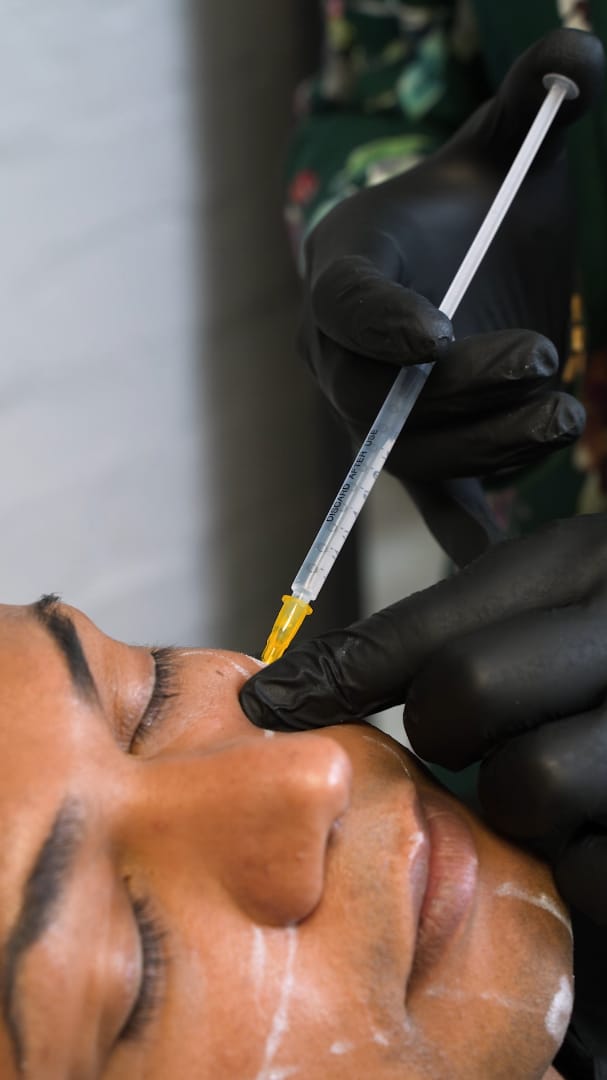
Two Different Mechanisms
Dermal fillers provide immediate correction. As we age, bone density reduces, fat pads shift, and soft tissue support diminishes. Fillers replace lost volume and reinforce structure, restoring facial proportion in a controlled, anatomically guided way. Results are visible immediately and typically last between 6–18 months, depending on the product and treatment area. However, each patient is unique and it’s the LightSculpt way to ensure we treat you that way.
Biostimulators work more gradually. Rather than adding volume directly, they stimulate the body’s own collagen production. Over several months, collagen regeneration improves skin thickness, elasticity, and resilience. The change is subtle and progressive not an instant transformation, but gradual.
“Fillers restore support. Biostimulators rebuild quality,” I explain during consultations. “They solve different problems.”
Understanding this distinction is central to answering Biostimulators vs Dermal Fillers: What’s Right for You?
When Structure Is the Priority
Patients experiencing visible volume loss in areas such as the cheeks, temples, jawline, or lips often benefit from dermal fillers. The objective is not to overfill, but to restore balance and structural integrity.
Precision matters and at LightSculpt you can count on exceptional attention to detail from board certified, aesthetic medical specialist. Less product, placed accurately, typically produces more refined results than larger volumes placed without anatomical consideration.
Age-related volume loss can create shadowing, flattening, or a tired appearance. By restoring support at key structural points, fillers can subtly lift and re-establish proportion without altering natural identity.
“The goal is not to change a face,” I tell patients. “It’s to restore what time has reduced.”
When structure is the primary concern, dermal fillers are often the most appropriate first step.
When Skin Quality Is the Priority
In contrast, patients noticing thinning skin, “crepiness”, or reduced elasticity may benefit more from collagen stimulation. Biostimulators support the skin from within by strengthening its underlying framework.
Rather than simply filling space, this approach improves tissue quality over time. Skin appears firmer, thicker, and more resilient. The outcome is understated healthy skin rather than added volume. The LightSculpt signature touch.
This philosophy reflects a more regenerative approach to aesthetic medicine. Instead of masking change, we support the body’s natural processes.
When considering “Biostimulators vs Dermal Fillers: What’s Right for You?” skin quality is often the deciding factor which we will guide you on. If collagen loss is driving visible ageing, stimulation may be the more strategic choice.
Integrated Treatment Planning
In practice, biostimulators and fillers are frequently used together. Supporting structure while stimulating collagen allows for smaller quantities of each treatment and more balanced long-term outcomes.
When assessing a patient, I evaluate structure, movement, skin quality, and how these elements interact. The decision is rarely binary. It is about timing, anatomy, and strategy. If it all feels overwhelming, we’ve got you, our team specialises in patient first treatment to help you feel educated and secure.
The question Biostimulators vs Dermal Fillers: What’s Right for You? is ultimately about understanding what your face requires, not what’s trending.
A Personalised Approach
No two faces age in the same way. Bone structure, genetics, lifestyle, and skin health all influence how change presents over time. For that reason, treatment planning must be individualised as we share.
Neither biostimulators nor dermal fillers are universally superior. Each serves a specific purpose within a broader aesthetic strategy which we will guide you on.
By selecting treatments thoughtfully and conservatively, results remain natural, proportionate, and sustainable, respecting you, your natural beauty and in allowing LightSculpt to offer you the ultimate glow-up at one of our practices in either Bedfordview, Rosebank or Green Point in Cape Town.
– Dr Juan Bester
LightSculpt, Green Point