
6 New Ways Modern Aesthetics Is Changing with Age – By Dr. Bianca SoftleyJohannesburg
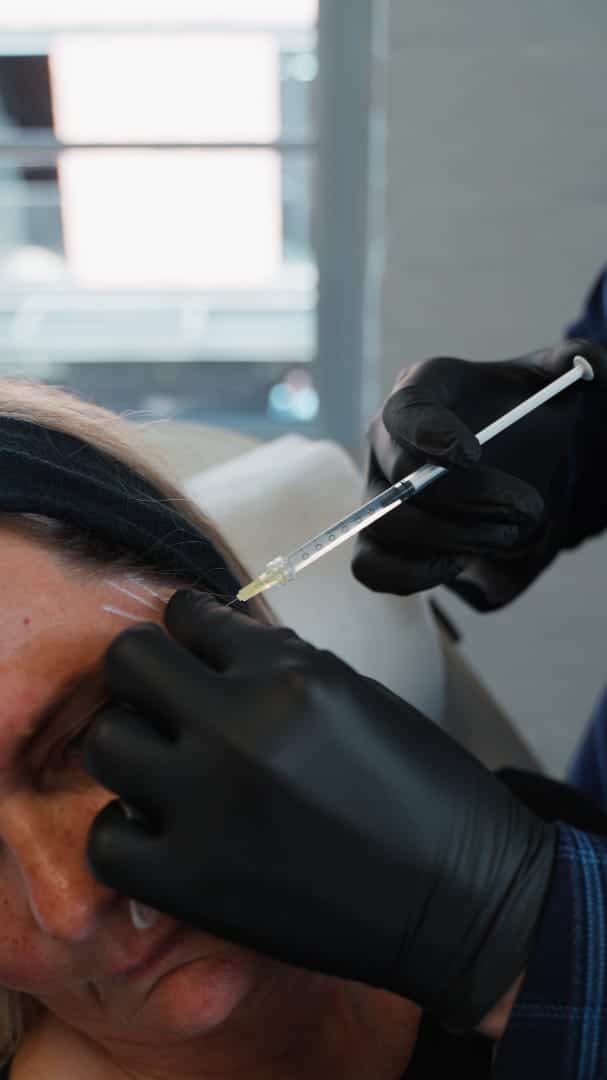
Aesthetic medicine has changed considerably over the past few years. It’s necessary to look at new ways that modern aesthetics is changing with age. What was once largely focused on treating individual concerns is becoming a more considered approach to how we look, feel and age over time.
Modern aesthetics is no longer simply about reducing a wrinkle or adding volume. It is increasingly about understanding the individual as a whole, your skin, facial structure, movement, lifestyle and the changes that naturally occur with age.
At LightSculpt, this evolution reflects a broader shift towards medically led, personalised aesthetic care. The aim is not to stop the ageing process, but to understand it and make thoughtful decisions about how to support the face and skin as they change.
Here are six ways modern aesthetics is changing with age.
1. From Anti-Ageing to Age Management
One of the biggest changes in modern aesthetics is the move away from the idea that ageing needs to be “fixed”.
Ageing is a natural process. Over time, the skin changes, collagen production decreases, facial fat compartments shift and bone structure gradually changes. These processes do not happen in isolation, and treating one visible concern does not necessarily address the bigger picture.
Age management takes a longer-term view.
Rather than waiting for significant changes and then trying to correct them, treatment can be considered at different stages of life to support skin quality, facial structure and overall appearance.
This does not mean having more treatments. In many cases, it means having more thoughtful ones.
2. Skin Quality Is Taking Centre Stage
For many years, aesthetic conversations centred largely around lines, wrinkles and volume. Today, skin quality has become an increasingly important part of the conversation.
Healthy-looking skin is influenced by hydration, collagen, elasticity, pigmentation, texture and overall skin health. These factors can have a significant impact on how rested and youthful the face appears.
Modern aesthetics therefore increasingly looks beyond what can be added or removed and considers what can be done to improve the condition of the skin itself.
Depending on the individual, this may include advanced skin procedures, collagen-stimulating treatments (such as Sculptra), laser technology or carefully selected skincare.
The important point is that there is no universal skin treatment. The right approach depends on what the skin actually needs.
3. Treatment Plans Are Becoming More Personalised
There was a time when aesthetic treatment could feel like choosing from a menu: a particular area, a particular treatment and a particular result.
Modern aesthetics is moving away from that model.
Two people of the same age can have completely different facial structures, skin quality, lifestyles and patterns of ageing. Their treatment plans should therefore not be identical.
A medical consultation allows the practitioner to look at the individual rather than simply the treatment being requested.
At LightSculpt, this means considering facial anatomy, skin health, proportions, previous treatments and the patient’s own goals before recommending a treatment plan.
Sometimes the best recommendation may be a treatment. Sometimes it may be skincare, skin analysis, or simply waiting and reassessing later.
4. Prevention and Maintenance Matter More
Another important change is the growing understanding that aesthetic care does not have to begin when visible ageing becomes significant.
For some patients, a preventative or maintenance approach may be appropriate. This does not mean trying to remain the same age forever. It means understanding how the face changes and making measured decisions along the way.
Small, well-timed interventions can sometimes be preferable to waiting until multiple concerns need to be addressed at once.
This is where modern aesthetics becomes less about a single appointment and more about an ongoing relationship between patient and practitioner.
Regular reassessment is important because your face, skin and needs can change over time.
5. Combination Treatments Are Becoming More Strategic
Ageing affects more than one layer of the face.
Skin quality, muscle movement, soft tissue, volume and facial structure can all change over time. As our understanding of these processes has developed, treatment has become less about finding one solution and more about understanding which concerns actually need to be addressed.
This does not mean combining treatments simply for the sake of doing more.
In fact, a medically led approach often means doing less, but doing it more strategically.
A patient may benefit from a combination of skin-focused treatments and injectables, while another may need only one carefully selected intervention. The objective is always to determine what is appropriate for that particular person.
6. Subtle Results Are Becoming the Goal
Perhaps the most important change in modern aesthetics is the growing appreciation for subtlety.
Patients are increasingly looking for results that do not announce that they have had treatment. They want to look refreshed, rested and confident while still looking like themselves.
This requires restraint.
Good aesthetic treatment is not simply about knowing where to place a product or how to perform a procedure. It requires an understanding of facial anatomy, proportion, movement and how the face will continue to change over time.
The best result is often not the most noticeable one.
It is the result that feels balanced and considered – where someone may notice that you look well, but cannot necessarily identify why.
A More Considered Approach to Ageing
The evolution of modern aesthetics reflects a broader change in the way we think about ageing.
Rather than treating age as something to fight, we can approach it as a process to understand.
That means looking at the face as an individual, considering skin health alongside facial structure, choosing treatments carefully and recognising that the right treatment at one stage of life may not be the right treatment several years later.
Our LightSculpt philosophy is central to our approach to medical aesthetics. Our doctors consider the individual, not simply the concern they arrive with. Treatment is guided by medical expertise, careful assessment and the belief that good aesthetic medicine should enhance rather than change who you are.
Modern aesthetics is ultimately moving towards something more thoughtful: less about chasing perfection and more about making intelligent, personalised choices that support you as you age.