
By Dr Juan Bester, LightSculpt Green Point, Cape Town
Why some Botox results last longer than others is one of the most common questions our team at LightSculpt is asked. Closely followed by, “Why do some Botox results last longer than others?”
Whether it’s your very first Botox treatment or you’ve been having aesthetic treatments for years, these are important questions. We believe that understanding what influences your results helps you develop realistic expectations and achieve more consistent outcomes over time with our expert input putting your aesthetics goals at the centre of our collective focus.
While Botox typically lasts between three and four months, no two patients experience exactly the same timeline. Some patients enjoy longer-lasting results, while others notice muscle movement gradually returning a little sooner. This variation is completely normal and doesn’t necessarily mean your treatment was unsuccessful.
At LightSculpt, every patient and in turn each face is unique. That’s why every treatment begins with an individual assessment rather than a standard approach. It’s the LightSculpt way and one of the key aspects of our medically led aesthetic treatments that sets us apart. Your treatment plan is tailored to you, your facial anatomy and your aesthetic goals.
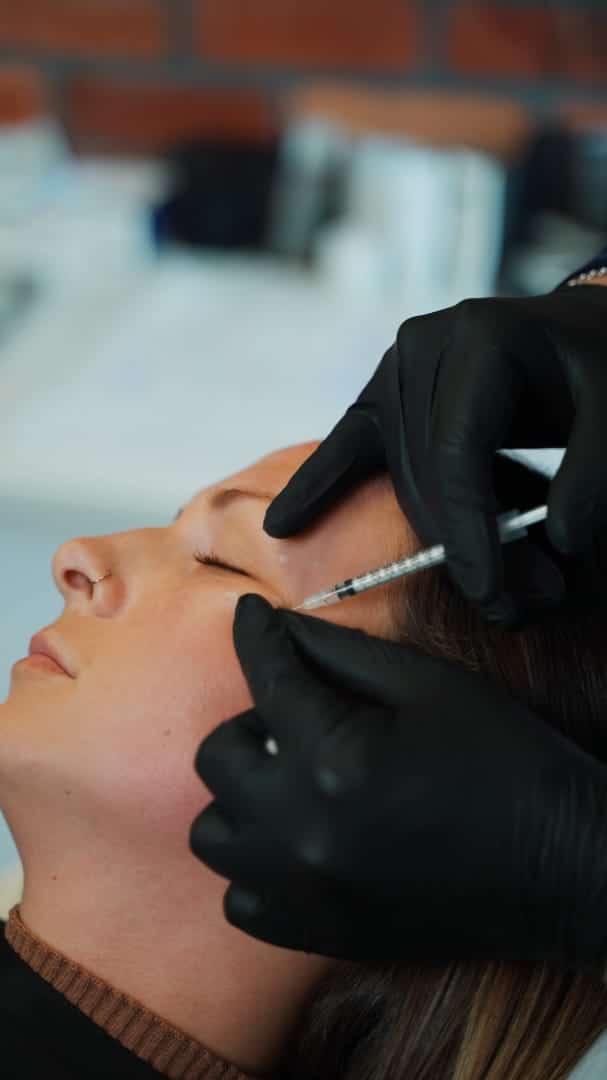
How Long Does Botox Usually Last?
Botox does not produce immediate results, having said that you won’t have to wait too long. Instantaneous results is a common Botox misconception. Many patients feel naturally enhanced or better during their appointment and immediately after, this “feel-good factor” can offer the illusion of immediate transformation. Many patients wonder why some Botox results last longer than others, and the answer lies in a combination of individual factors rather than a single cause.However, most patients begin noticing the first changes within three to five days, while the full effect usually develops over the following two weeks. This is important to be aware of it, it allows you as the patient to be in the know and to be realistic in seeing the treatment reach its peak results.
Once treatment reaches its full effect, results generally last between three and four months. As the medication or treatment gradually wears off, muscle movement slowly returns, allowing facial expression to come back naturally rather than all at once. This gradual timeline is completely normal and forms part of your body’s natural response to treatment.
According to the manufacturer of BOTOX®, individual results vary, with the effects generally lasting up to four months. This factual and offers key insight in expectations.
Why Doesn’t Botox Last the Same for Everyone?
One of the biggest misconceptions is that Botox should last exactly the same amount of time for everyone. But… you are uniquely you after all.
If you’ve ever wondered why some Botox results last longer than others, the answer is usually a combination of muscle strength, metabolism, facial anatomy and lifestyle.
The reality is that there is no “standard” Botox patient. Your results are influenced by a combination of factors including muscle strength, metabolism, treatment area, lifestyle and individual anatomy. These all work together to determine how long your results may last.
Muscle Strength Matters More Than You Think
Your facial muscles are one of the biggest factors influencing how long Botox lasts.
People with naturally stronger or more expressive muscles often require a different treatment plan from someone whose muscles are less active. Areas such as the frown lines between the eyebrows or the forehead can vary considerably from one person to another. The brilliant news is we have you covered. Our expert team of doctors are leaders in understanding this and are true specialists within the medical aesthetic field. LightSculpt’s service is more focused on excellent results versus a cheap, fast reactive treatment. We’re in it with you, to work to ensure that you look your best continuously and consistently.
Receiving the correct dosage is important, but more Botox is not always better. The goal is to administer the right amount for your facial anatomy, muscle activity and desired outcome. That’s where we are highly trained through experience and years of practice and results.
Aesthetic Medical Led-Clinical Insight
One of the most common misconceptions we see is patients comparing the number of Botox units they receive with a friend or family member. In reality, treatment plans are based on your facial anatomy, muscle strength, movement patterns and aesthetic goals. The same treatment is unlikely to produce identical results on two different faces. The focus is on individuals and not a “one size fits all” approach.
Can Exercise Affect Botox?
Your metabolism also plays a role in how quickly Botox is processed by the body.
People who exercise frequently or have naturally faster metabolisms may find that their results wear off slightly sooner than someone who is less active.
However, exercise is only one piece of the puzzle and should always be considered alongside your muscle strength, treatment area and individual response. When we consult with you we discuss and chat through your lifestyle to understand what makes up your life, your day to day habits and how to work with that.
Does Age Affect Botox?
Age can influence your Botox results, but perhaps not in the way many people think.
As we age, our skin naturally loses collagen and elasticity, while facial muscles continue to create expression. Skin quality, muscle movement and previous treatments all contribute to how Botox performs. This is why treatment should always be personalised rather than based on age alone. Preventative Botox is also part of what we offer and guide you through.
Can Regular Botox Make Results Last Longer?
Many patients notice that with regular maintenance treatments, their Botox appears to last a little longer.
This is because consistently relaxing certain muscles may reduce how strongly they contract over time. However, Botox is never permanent, and regular review appointments allow your treatment plan to be adjusted as your facial muscles and aesthetic goals evolve.
Why Comparing Yourself to Others Doesn’t Help
It’s completely understandable to compare your results with someone else’s, but Botox should never be viewed as a one-size-fits-all treatment.
Two people of the same age may have very different muscle strength, facial anatomy and lifestyles. Even if they receive treatment on the same day, their results may develop differently and wear off at different times.
The most successful Botox treatments are not about achieving the longest possible result. They’re about achieving balanced, refreshed results that complement your natural facial expressions.
What This Means for Your Treatment Plan
If your Botox seems to wear off sooner than expected, it doesn’t necessarily mean you need more product. It may simply mean your treatment plan needs refining.
At LightSculpt, every treatment begins with a comprehensive consultation. We assess your facial movement, muscle activity, anatomy and treatment goals before recommending a plan that’s tailored specifically to you.
This personalised approach helps deliver results that look balanced, feel natural and evolve with you over time. Understanding why some Botox results last longer than others helps you set realistic expectations and appreciate why every treatment plan should be personalised.
Every treatment plan is designed around the individual because no two faces are the same. That’s the LightSculpt difference. Need more guidance? Our team are more than happy to guide you through the process and if in doubt you will feel reassured with all of your questions and concerns taken care of after your highly personalised consultation. Here are a few quick touch points to offer additional guidance.
Frequently Asked Questions:
1. How long does Botox usually last?
Most Botox treatments last between three and four months, although this varies from person to person. Factors such as muscle strength, metabolism, treatment area and lifestyle all influence how long your results last.
2. Why does my Botox wear off faster than someone else’s?
Botox works differently for every individual. Stronger facial muscles, a faster metabolism, regular exercise and differences in facial anatomy can all contribute to Botox wearing off sooner.
3. Does exercise make Botox wear off faster?
For some people, regular intense exercise may contribute to Botox wearing off slightly sooner because of a faster metabolism. However, it is only one of several factors that influence treatment longevity. We access this directly with you.
4. How often should I have Botox treatments?
Most patients return every three to four months to maintain consistent results. Your practitioner will recommend a schedule based on your individual response and treatment goals.
Ready to Understand What Will Work Best for You?
While Botox generally lasts between three and four months, every face responds differently. Your muscle strength, facial anatomy, lifestyle and aesthetic goals all influence how long your results may last and what treatment approach is best suited to you.
At LightSculpt, every consultation begins with a personalised assessment. We’ll take the time to understand your concerns, assess your facial movement and create a treatment plan that’s tailored specifically to you.
If you’re considering Botox or would like to review your current treatment plan, we’d love to welcome you to our Green Point clinic for a consultation. Click here.
*Reference:
Allergan Aesthetics. BOTOX® Treatment Information. The manufacturer states that results typically develop over the first few days following treatment, with full effects visible within approximately two weeks. Individual results vary, with effects generally lasting up to four months, and repeat treatment is typically recommended no sooner than every three months.