
By Dr Juan Bester, LightSculpt Green Point
Botulinum toxin, more commonly known as Botox, is one of the most widely used and extensively studied treatments in medical aesthetics. Despite its popularity, it is also one of the most misunderstood. When approached correctly, Botox is not about freezing the face or erasing expression – it is about precision, balance, and intelligent muscle modulation.
At its core, Botox works by temporarily relaxing specific muscles that contribute to dynamic lines – the lines formed by repeated facial movement over time. These include frown lines, forehead lines, and crow’s feet. By softening excessive muscle activity, the skin above these muscles is given the opportunity to rest, smooth, and age more gradually.
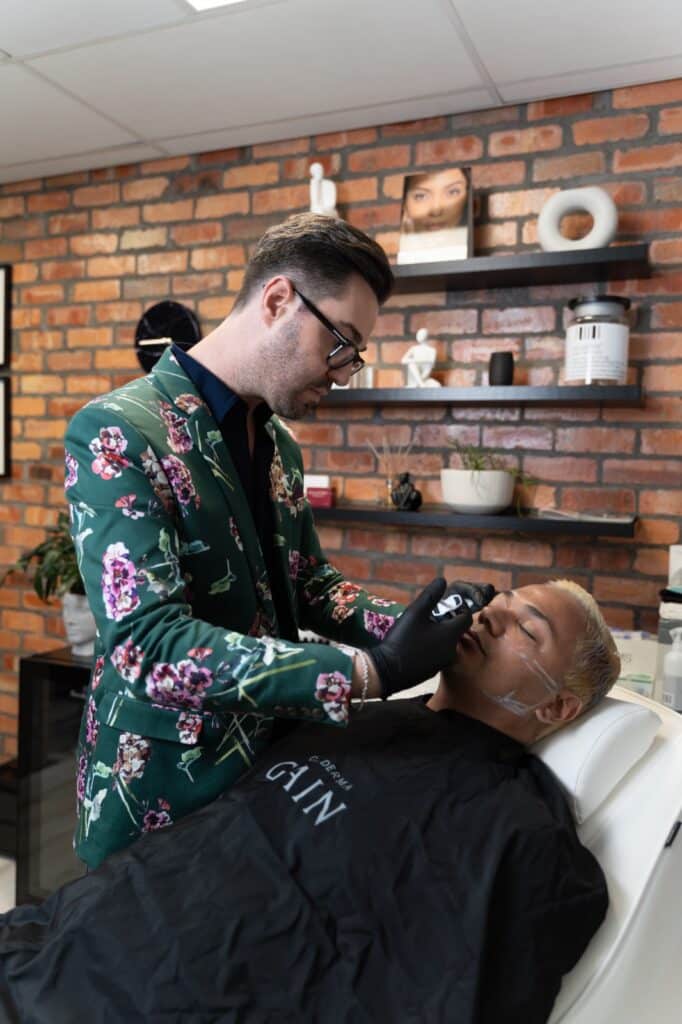
Botox as a Medical Tool
From a medical perspective, Botox is a highly refined tool. Beyond aesthetics, it has a long-established role in broader medical care, including the management of bruxism, chronic migraines, excessive sweating, and certain muscle-spasm disorders. In these contexts, its purpose is therapeutic – improving comfort, function, and quality of life.
This medical heritage reinforces that Botox is not inherently a cosmetic product, but a versatile medical treatment whose outcomes depend entirely on how, why, and by whom it is used.
Every face moves differently. The same dose, placed in the same location, can produce vastly different outcomes in different individuals. This is why doctor-led assessment is critical. The goal is not to eliminate movement, but to re-calibrate it – preserving natural expression while reducing the forces that drive premature ageing.
Moving Beyond the Frozen Myth
One of the most persistent myths surrounding Botox is the idea that it inevitably leads to a stiff or unnatural appearance. In reality, this outcome is almost always the result of over-treatment, poor placement, or a one-size-fits-all approach.
Modern aesthetic medicine has moved well beyond this. Contemporary Botox treatments are conservative, tailored, and highly individualised. Small, precisely placed doses can achieve refined results that are virtually undetectable — except in how rested and composed the face appears.
Botox in a Forward – Thinking Aesthetic Plan
Increasingly, Botox is used as part of a proactive, long-term aesthetic strategy. Managing muscle activity early and conservatively can reduce the need for more aggressive interventions later.
Rather than waiting for lines to become deeply etched, forward-thinking planning focuses on timing, moderation, and maintenance. This philosophy aligns Botox with longevity-focused aesthetics — supporting the face as it changes rather than attempting to reverse change once it is established.
Precision and Restraint
Botox is often judged by extremes, but it is at its best when used quietly and intelligently. When I combine Botox with other treatments, it often allows for smaller amounts of each, supporting natural expression and long-term facial balance.
– Dr Juan Bester, LightSculpt Green Point