
By Dr Juan Bester, LightSculpt Green Point
Dermal fillers are among the most versatile tools in modern medical aesthetics, yet they are frequently misunderstood. At their best, fillers are not about adding volume for its own sake, but about restoring structural support, improving balance, and working with the natural architecture of the face.
As we age, bone resorption, fat pad shifts, and collagen loss gradually alter facial contours. Dermal fillers, when used judiciously, allow clinicians to support these changes – maintaining harmony rather than creating excess.
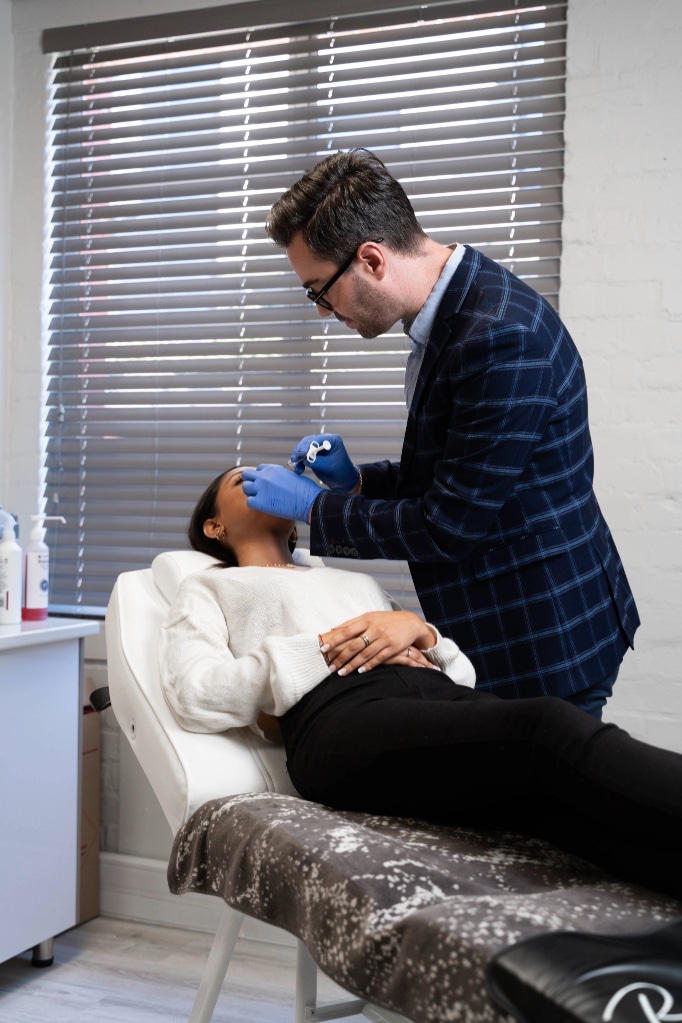
Understanding What Fillers Really Do
Different filler products behave differently depending on their composition, density, and elasticity. Choosing the correct product and placing it at the correct depth is critical to achieving refined, natural-looking outcomes.
Well-planned filler treatment can restore structural support, improve facial balance, enhance contours without altering identity, and complement other aesthetic treatments.
Moving Away from Overfilling
Overfilled faces are not a reflection of fillers themselves, but of excessive volume, poor placement, or lack of long-term planning. Contemporary aesthetic medicine has moved away from this approach. Less product, placed more intelligently, often delivers the most sophisticated results.
Dermal Fillers Within a Forward-Thinking Plan
Fillers are rarely used in isolation. They are integrated alongside treatments that address muscle activity, skin quality, and collagen stimulation, allowing the face to age more evenly and predictably.
Clinical Considerations
When I assess a patient for dermal filler treatment, I look at the face as a whole – its structure, movement, and how it has changed over time. Treatment decisions are guided by anatomy, balance, and long-term thinking rather than trends.
– Dr Juan Bester, LightSculpt Green Point